Automate With Confidence.
Build Frameworks That Scale.
A production-grade Playwright framework in Java, with AI-assisted workflows, API testing & mocking, parallel runs, and reporting.
10 modules · 37 lessons · 4+ hours
Full source code · Lifetime access
More Than Scripts.
A Real Framework
For SDETs and developers who want to build a real, scalable Playwright automation framework, not just isolated scripts.

Resilient Framework,
Not Just Tests
Build complete automation solutions, not one-off scripts. Handle test data, multiple environments, and network control with reusable utilities that keep tests stable instead of flaky.
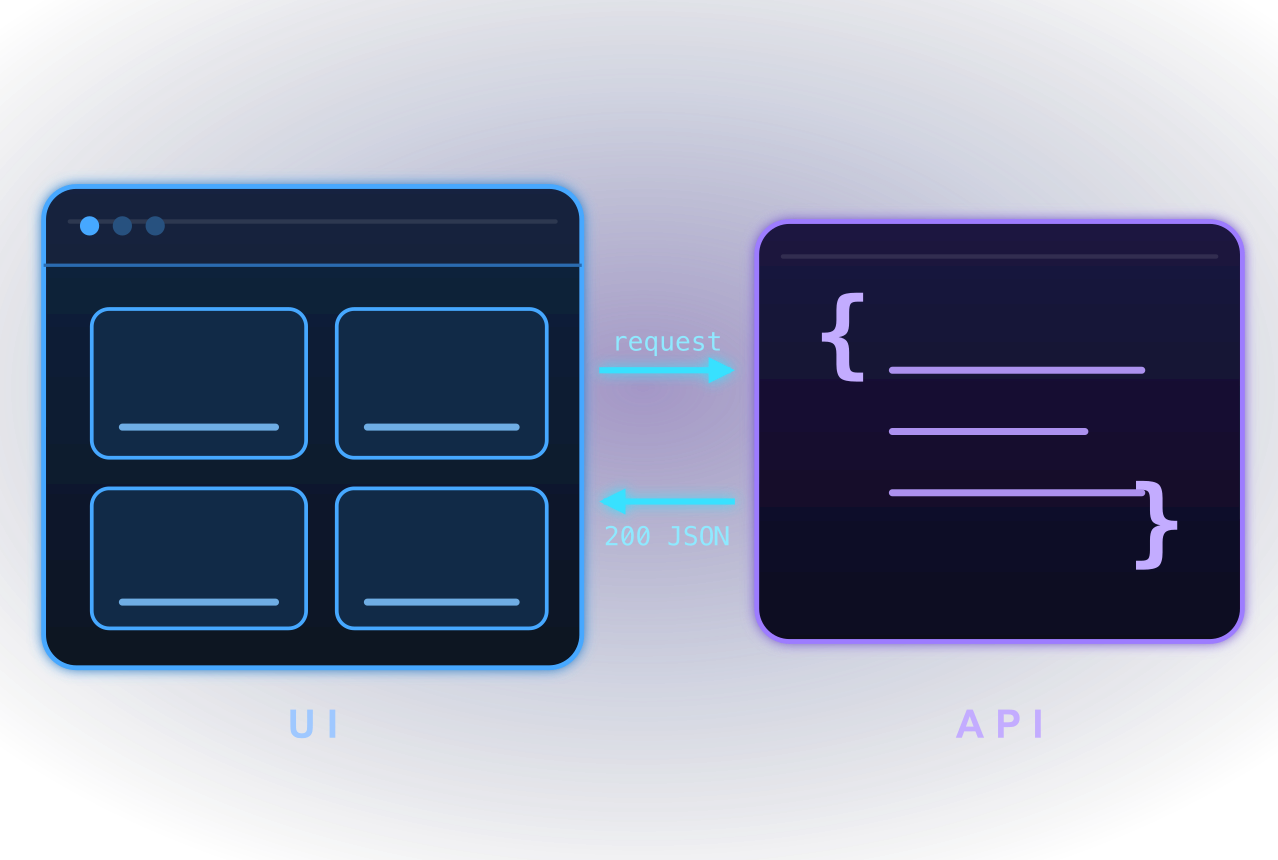
UI and API in One Framework
Drive the browser and the backend from the same project.
• Direct API tests with Playwright's request client
• Mock or modify responses on the fly
• Use API calls to set up test data fast
Accelerate Tests with AI
Bring AI into the workflow with powerful MCP tools and agents
• Generate new tests from your existing patterns
• Get locator suggestions and refactors
• Debug and troubleshoot faster

Built to Scale
Speed up regression without the flake.
- Toggle parallel execution with a single switch
- Cross-browser and cross-device runs
- Swap browser, environment, or device with one flag
Debug Fast, Report Clearly
When a test fails, know exactly why.
- Automatic full-page screenshots on failure
- Step-by-step Playwright traces
- Allure reports plus accessibility scans
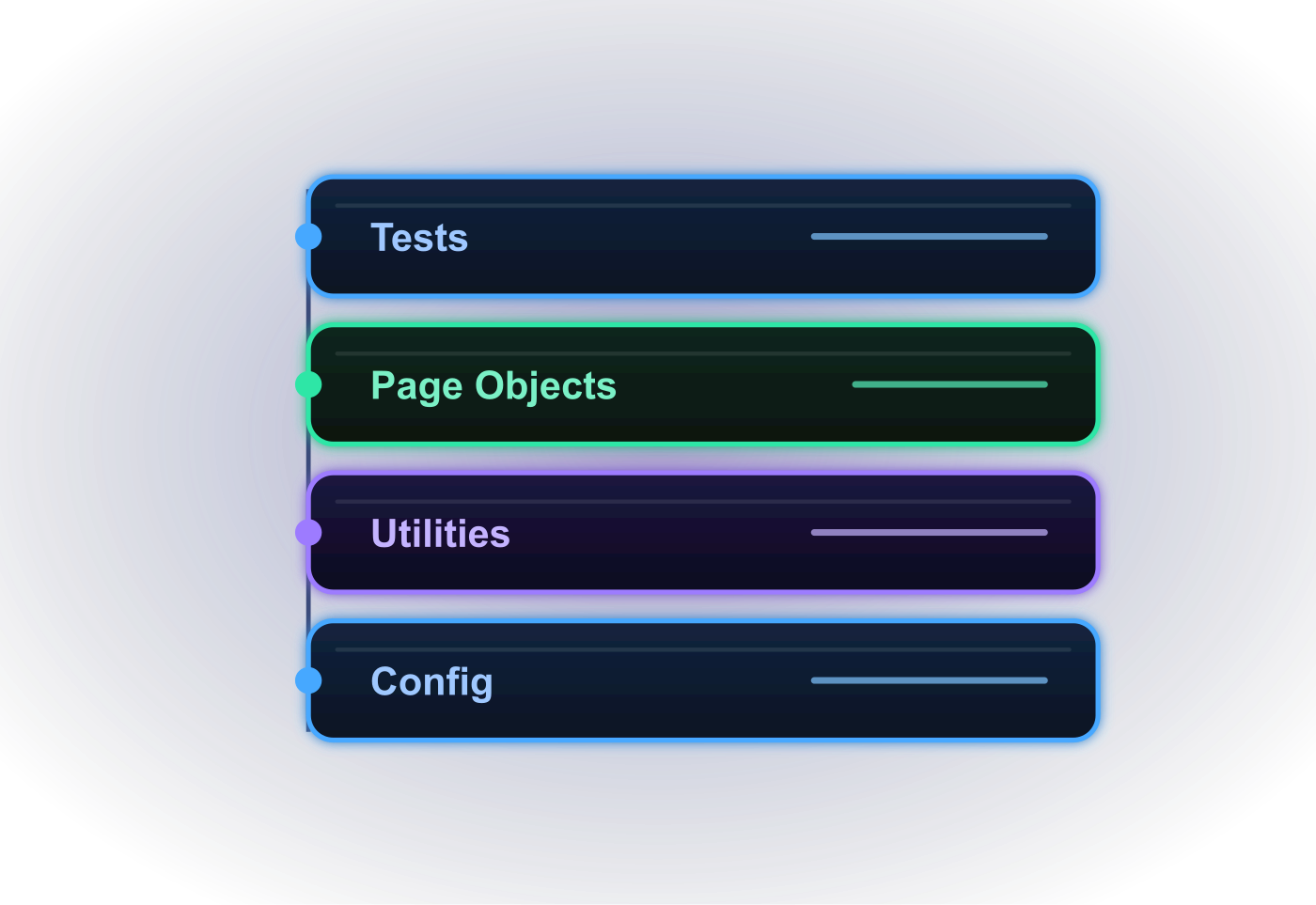
Implementation-Ready
Patterns you can lift into your own projects.
- Page and component objects
- Fixtures, config, and data factories
- Field-proven, with full source code included
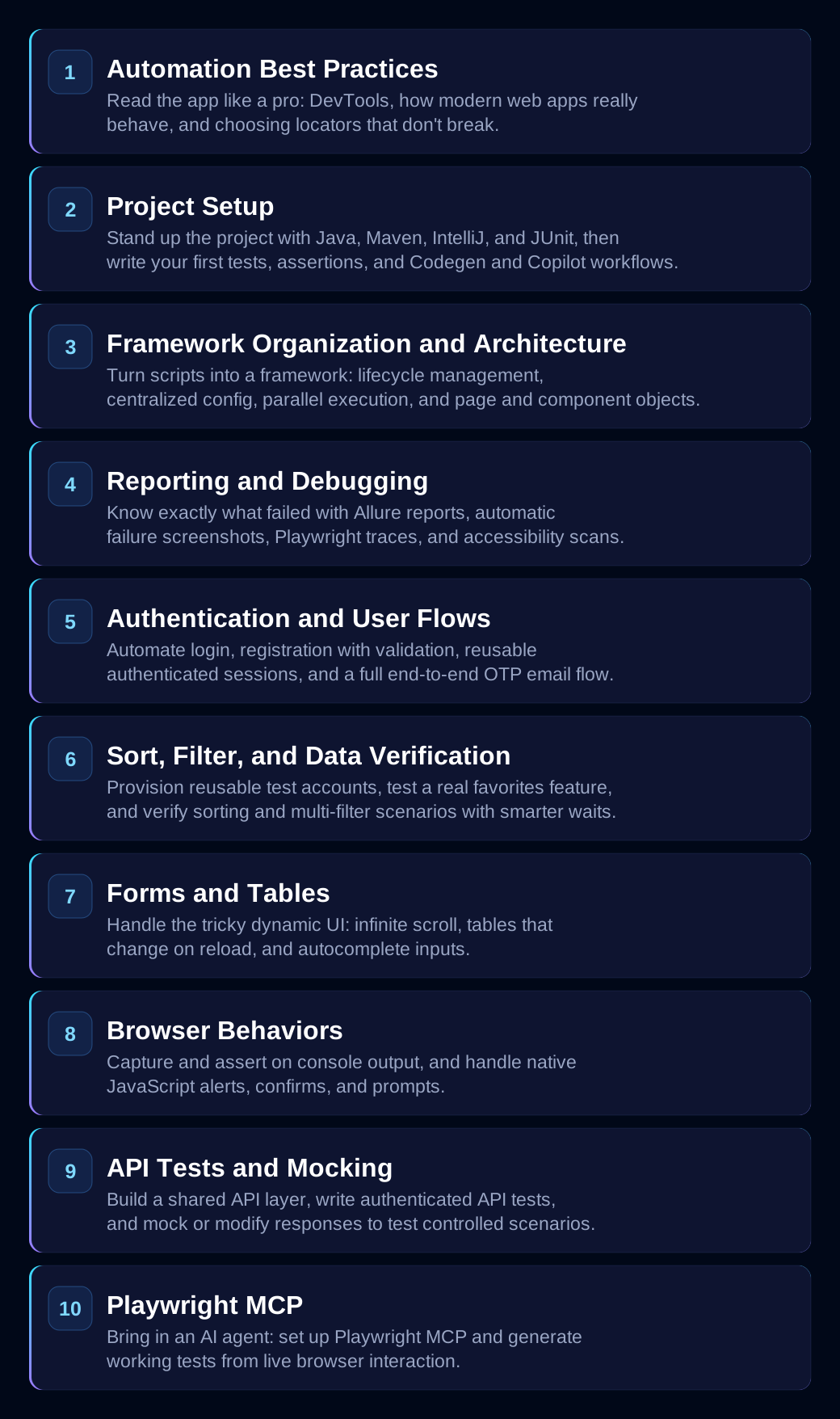
Course Overview
Course Content
10 modules · 37 lessons · 4+ hours
Full source code · Lifetime access
SDET Interview Q&A pack
Downloadable Cheat Sheets
Interview-Ready.
Job-Ready.
✅ Real source code you keep, extend, and reuse in your own projects
✅ Architecture you can actually explain in interviews
✅ Patterns you can apply on the job from day one
✅ An SDET interview Q&A pack and cheat sheets to prep with
Hi, I'm Rob, a Principal SDET.
I built this course to teach Playwright the way it actually gets used on real teams: as a maintainable framework, not a pile of isolated scripts.
I have seen automation suites grow fast and then fall apart under flaky tests, scattered configuration, and copy-pasted setup. This course is the framework I wish more teams started with. Everything is built step by step on a real application, using the same patterns I rely on for test data, authentication, environments, parallel runs, API testing, and reporting.
My goal is simple: by the end, you won't just write Playwright tests, you will know how to design a project with real structure behind it, and you will have the full source code to take with you.
FAQ
Who is this course for, and what background do I need?
It's built for SDETs, QA engineers, and developers who want to build a real, scalable automation framework, not just isolated scripts. You should be comfortable with basic programming concepts and some Java fundamentals such as classes, methods, and variables. You do not need to be a Java expert. Everything specific to Playwright, the framework design, and the tooling is taught step by step.
Do I need prior Playwright experience?
No. The course starts from the fundamentals, including how Playwright works, using DevTools, and choosing stable locators, then builds up to an advanced framework. If you already know Playwright, you can move quickly through the early lessons and focus on the architecture, API, AI, and scaling modules.
Can I use this with TestNG or Cucumber instead of JUnit?
Yes. The framework is intentionally designed so the reusable layers (page objects, utilities, configuration, and data factories) are separate from the test runner. The course uses JUnit, but you can adapt it to TestNG or Cucumber by swapping the runner and lifecycle layer instead of rebuilding the framework.